
Legislation in Congress proposes adding dyslexia as a 14th separate disability category under IDEA, which currently identifies it under the broader Specific Learning Disabilities (SLD) category.
The proposed 21st Century Dyslexia Act has bipartisan support and aims to better identify and support students with dyslexia, who make up an estimated 5% to 17% of children and often go undiagnosed in schools.
Critics, including 27 disability and education organizations, argue that creating a separate dyslexia category could delay services, complicate funding, and fail to account for other types of reading disabilities.
Opponents are also concerned about the proposed legislation encouraging an outdated IQ-achievement discrepancy model, and opening IDEA to piecemeal amendments during political uncertainty.
Proponents argue that updating IDEA categories, as was done with autism in 1990, reflects a modern understanding of disabilities and would ensure more tailored support for students with dyslexia.
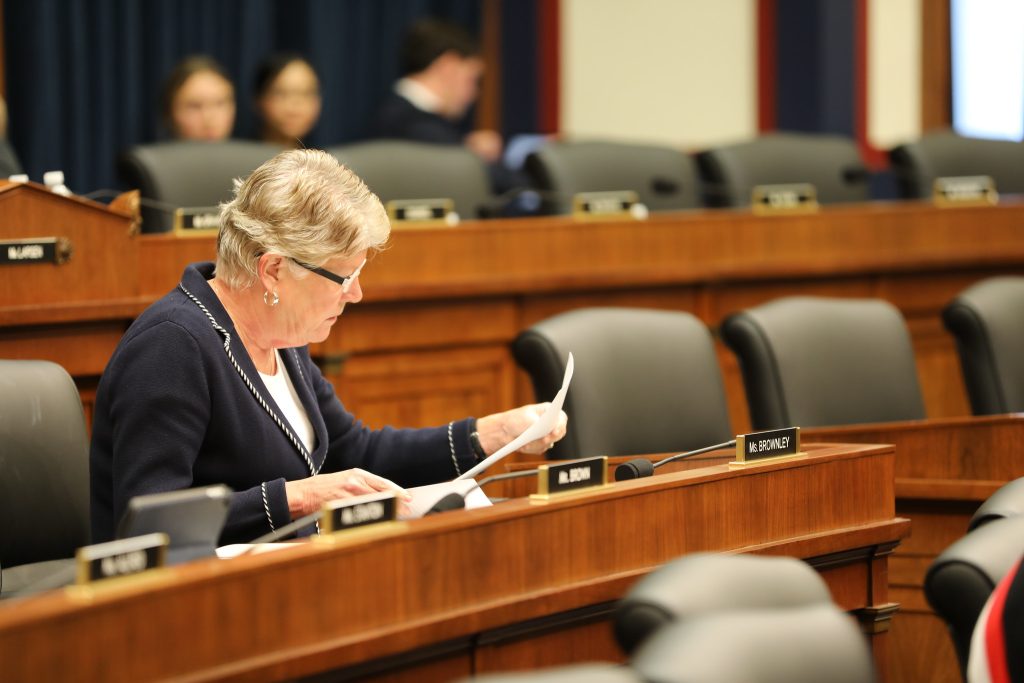
Read more about the legislation on Congresswoman Julia Brownley’s website.

Mobile accessibility tells half the story
September 8, 2026
I audited five public design systems. The one built for mobile, Material 3, hands designers accessibility as first-class properties. The web still treats the same

Mark SMiller is a digital accessibility consultant who helps organizations build accessible, inclusive digital experiences. He speaks regularly at industry conferences,, CSUN, CVENt and apperes on many webinars and podace. , He trains teams on practical, sustainable accessibility workflows.
Comments