
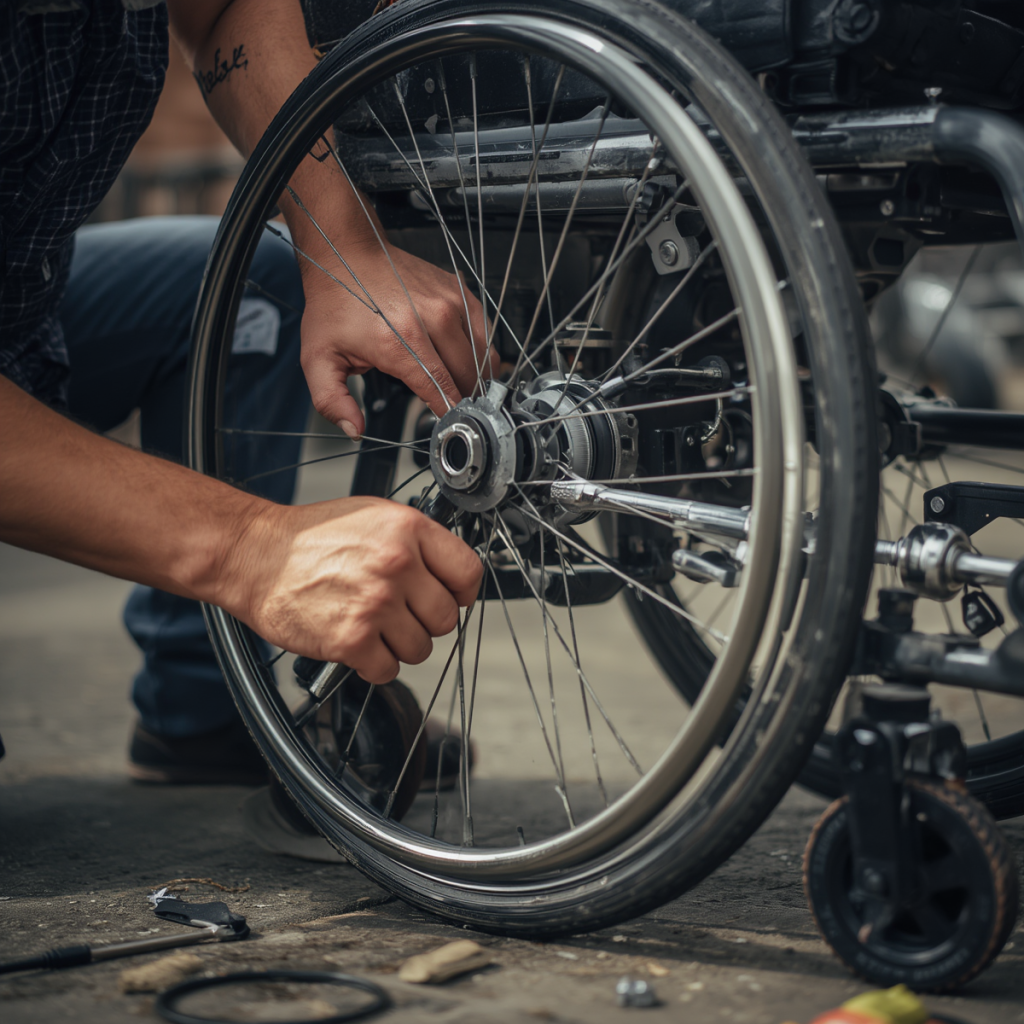
WHO released new guidance on the repair, refurbishment, and recycling of assistive technologies to help countries extend product life and reduce environmental impact.
The report focuses on self-care and mobility devices such as shower chairs, toilet chairs, walking aids, and manual wheelchairs, and is framed by the WHO-GATE 5P model and circular economy principles.
It aims to support countries in improving access, reducing waste and procurement costs, and ensuring safe, hygienic practices for users.
Repair keeps a product usable for the same person, refurbishment prepares used products for new users, and recycling recovers materials from end-of-life products; countries can adopt any of these approaches independently.
Read more about the WHO releasing new guidance on repair, refurbishment, and recycling of assistive technologies on WHO’s website.

Mobile accessibility tells half the story
September 8, 2026
I audited five public design systems. The one built for mobile, Material 3, hands designers accessibility as first-class properties. The web still treats the same

Mark SMiller is a digital accessibility consultant who helps organizations build accessible, inclusive digital experiences. He speaks regularly at industry conferences,, CSUN, CVENt and apperes on many webinars and podace. , He trains teams on practical, sustainable accessibility workflows.
Comments