
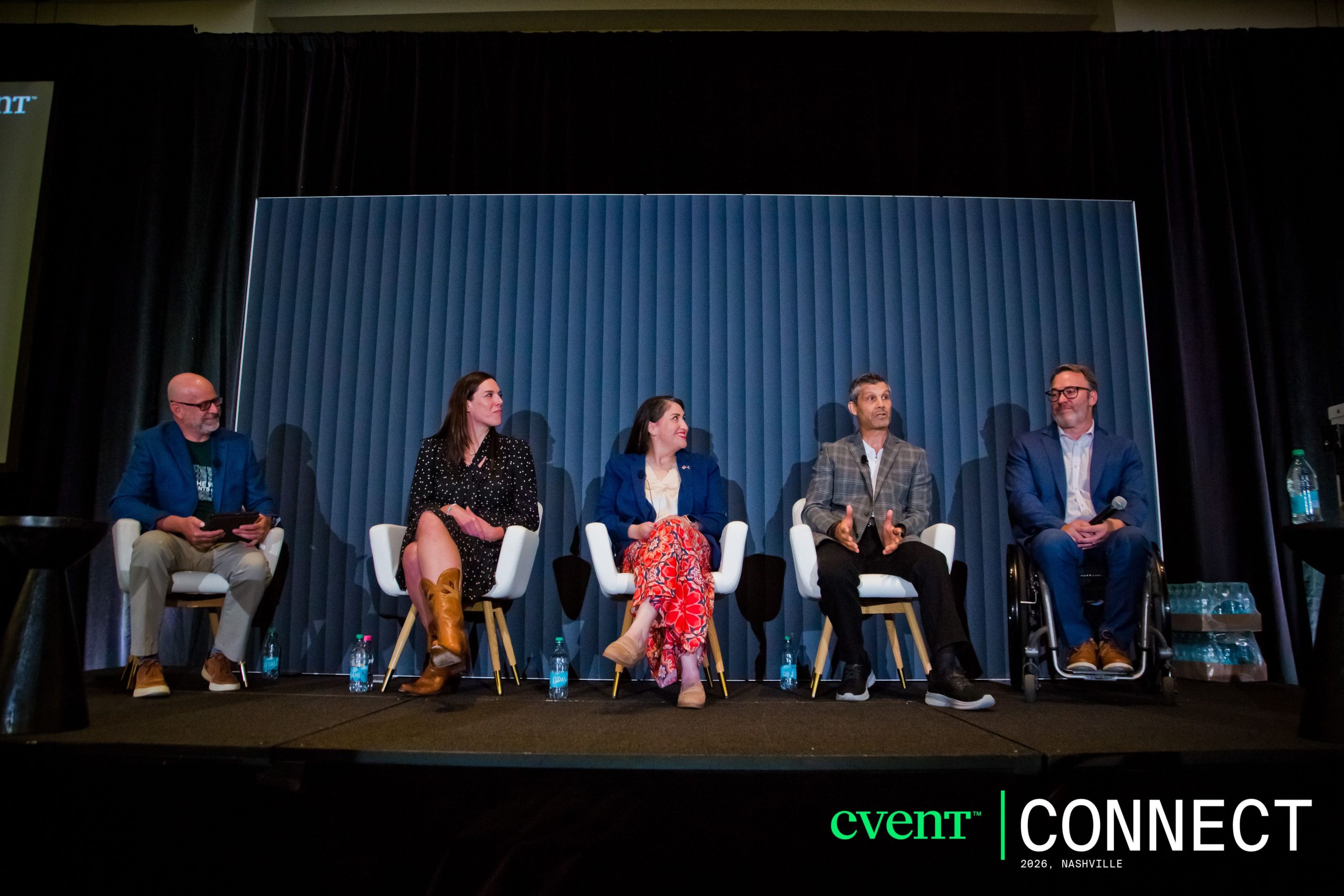
CVENT Connect 2026 Panel
With incredible food, music, and a keynote speech that felt like it was produced by David Copperfield, CVENT Connect 2026 once again pushed the boundaries of corporate event planning. Event planners came from all over to see the latest in premier event-planning software while enjoying smooth country melodies in Nashville’s honkytonks. However, the focus for four particular panelists and me was a bit different. For us, it was also about earning attendee trust with accessible events.
In over a decade of consulting in digital accessibility, I’ve been privileged to work with incredible people, and the panel I was invited to speak on, From promise to practice: How accessible events earn attendee trust, was no different. Four people with a passion for inclusivity and good business through accessible practices. Four people who understand that if you want more business, in this case to increase the number of attendees at your conferences, accessibility is a must.
When you’re invited to speak on a panel, it’s easy to get caught up in the fact that you’re going to share what you know with an audience hungry to learn. What I’ve realized over the years is that I learn just as much from the great company I keep on stage. Here is what I learned from my fellow panelists.
Rachael Josephsen – Generational Trust
Events Manager, Case New Holland
Rachael works for Case New Holland, which manufactures equipment and provides services for agriculture and construction workers. She has observed that the next generation of farmers is taking over with a mind towards things like sustainability and accessibility. At the same time, the current generation is aging, and as we age, we pick up disabilities.
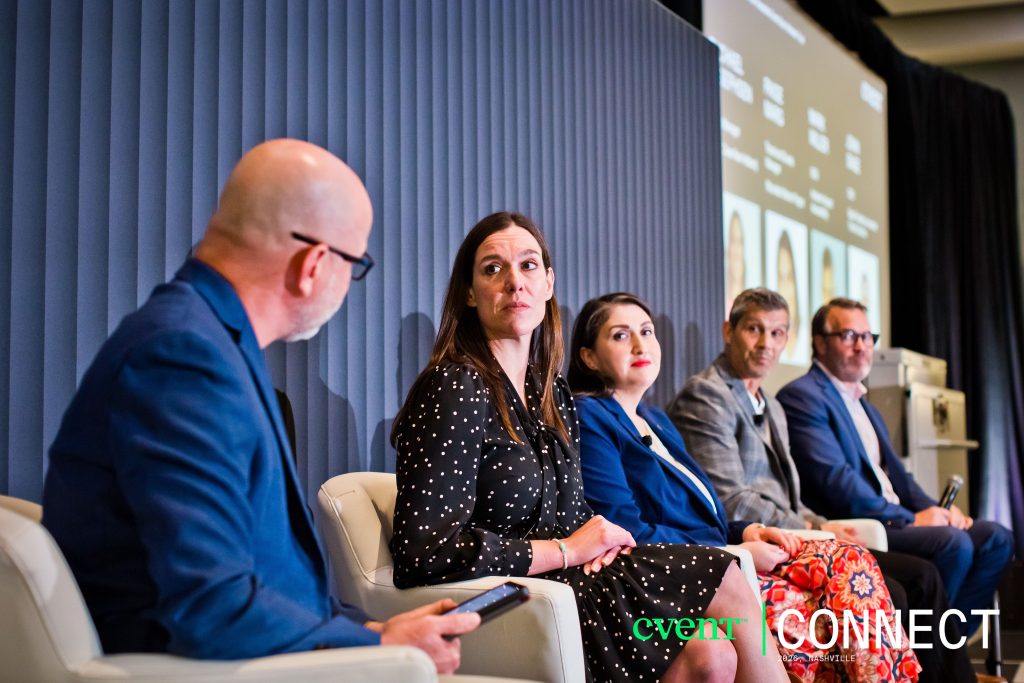
Our hearing, sight, mobility, and cognition all decrease. Rachel made the point that to earn the trust of both the current and new generation of farmers, she needs to ensure her events are accessible. That begins with respectful ways of finding out what all attendees, regardless of ability, need to successfully participate and to do so in a way that doesn’t make anyone feel “other.”
Paige Marg – A question by any other name is just a question
Travel & Events Manager, Wounded Warrior Program.
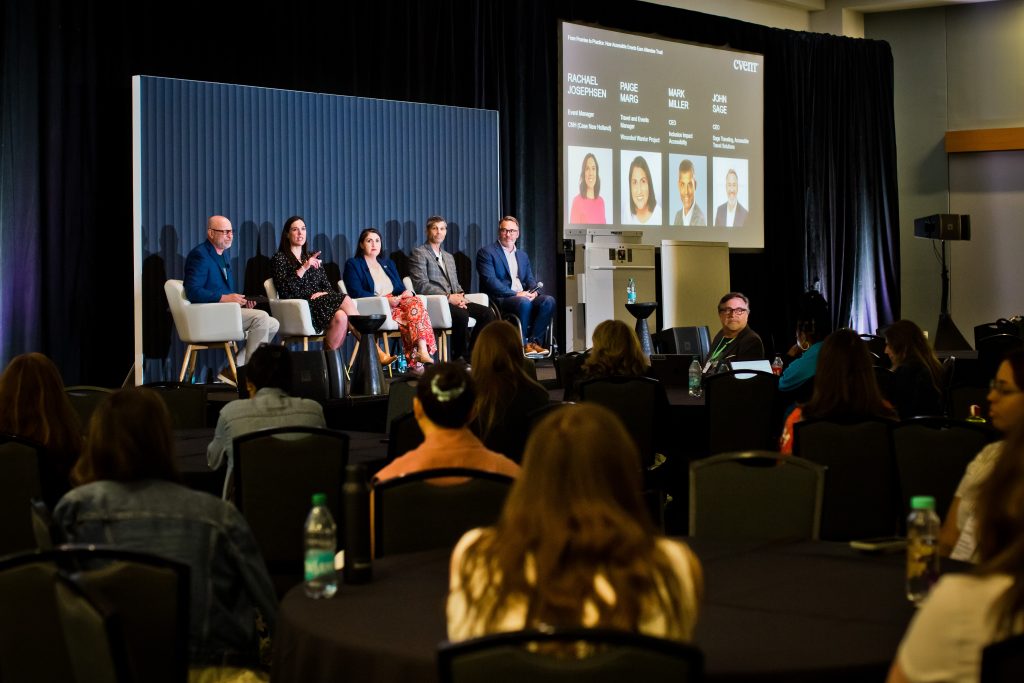
Paige works for the Wounded Warrior Program and has spent her career accommodating in every way imaginable. For her, uncovering the accommodations her attendees need is no different than any other information collected at registration. She made the point that we’re already asking questions about things like dietary requirements, so it’s easy and respectful to include questions about accommodation needs. It shouldn’t be a separate section but part of the same experience for everyone.
John Sage – A picture is worth a thousand words
Founder and CEO, Accessible Travel Solutions
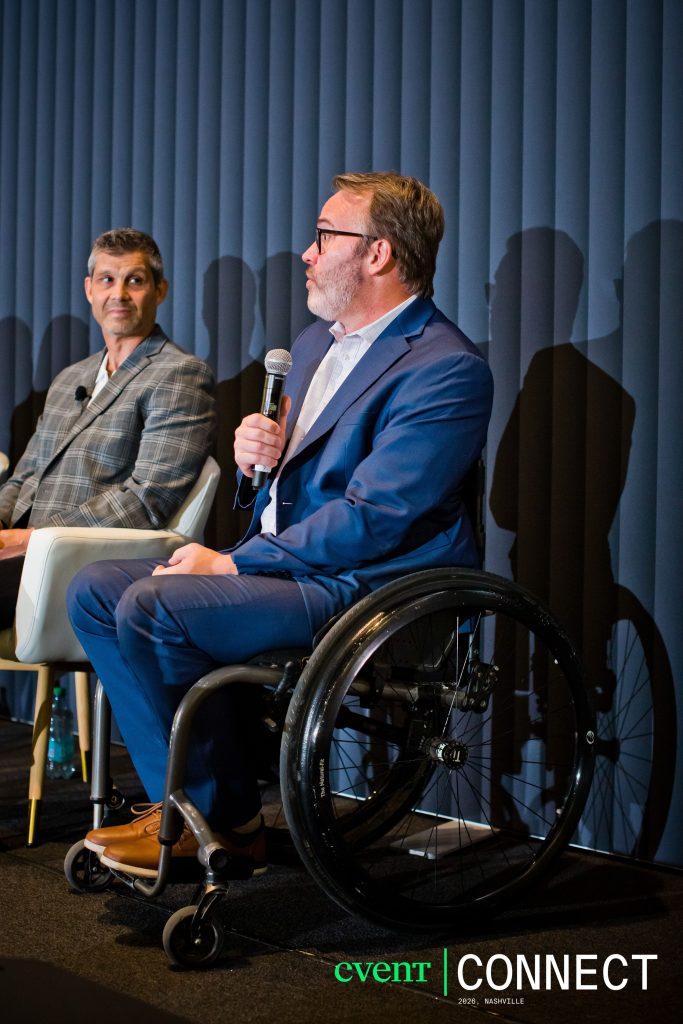
John founded Accessible Travel Solutions, leveraging his experience as a wheelchair user who has traveled the world many times over. He pointed out that people with disabilities need information about venues and accommodations ahead of time. In his experience, a website will say something like a hotel room is accessible, but provide little additional detail, and people with disabilities need detail and even pictures to truly understand the accommodations and make an informed decision.
Stephen Cutchins – Try and learn
Director, Accessibility CVENT
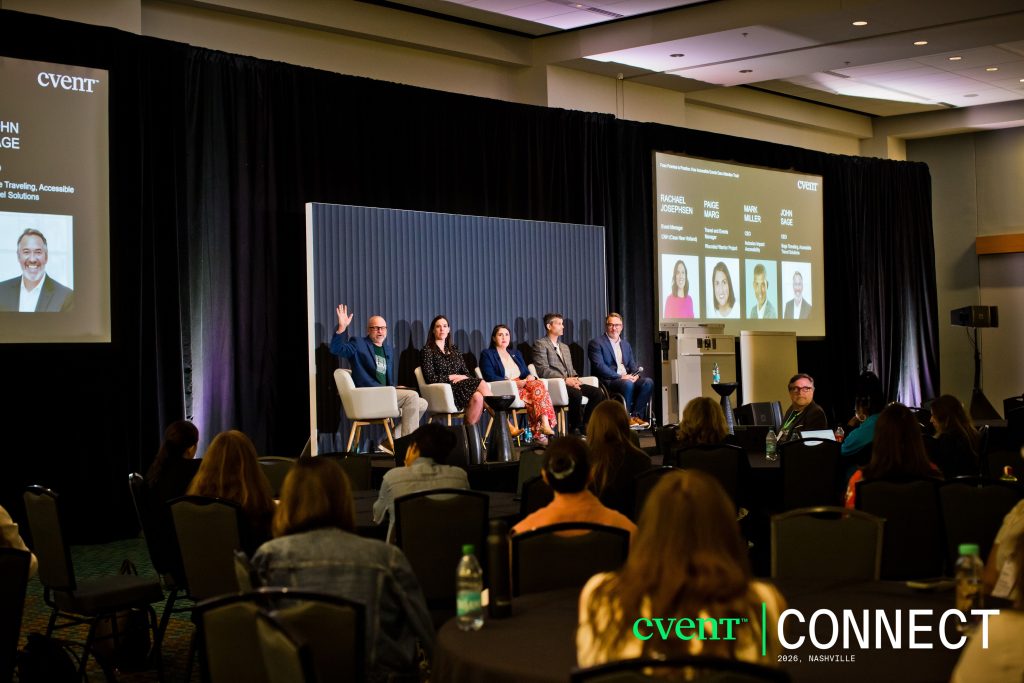
Stephen is the director of accessibility for CVENT and the one who brought this great group together. I learned from Steven that we need to learn from our mistakes. Accessibility, like anything else, is not perfect. He tells a story of providing an ASL interpreter for an attendee who requested one. He provided a front row seat for the attendee and, instead of putting the interpreter on stage, had them stand on the floor directly in front of the attendee. Perfect, right?
When Steven read the feedback forms, a different person commented that it was great that there was an ASL interpreter, but they couldn’t see them because the interpreter wasn’t on stage. There are really two lessons here. People who don’t say anything may also benefit from accommodation meant for someone else. Also, be willing to try, make mistakes, and learn.
Me, Mark Miller – You can get there from here… if it’s not accessible.
CEO and Founder, Inclusion Impact Accessibility
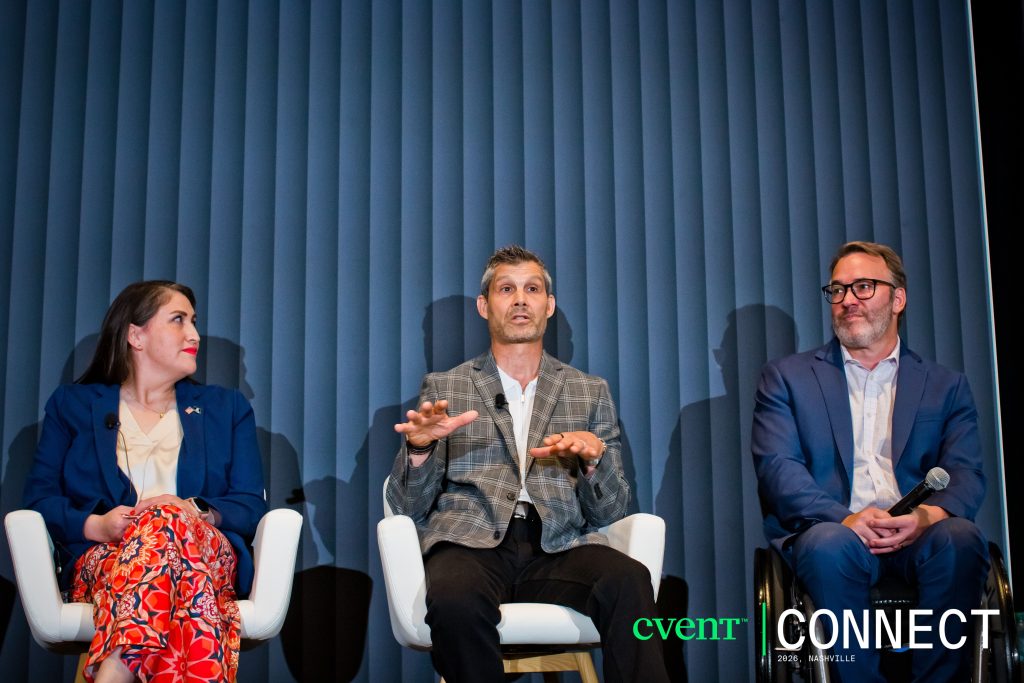
For me, I wanted to share the perspective that no matter what you do, your attendees’ first impression is going to be formed in a digital environment like registration, your public website, or marketing efforts. By making those environments accessible, you establish immediate trust. In addition, you ensure everyone can take advantage of all your efforts, whether that is inclusive questions on the registration portal or a great experience at your event.
The Big Book of Event Accessibility
Thanks to Steven for putting another great panel together and ensuring the discussion continues. Thanks to all the panelists who are now friends. I appreciate all your perspectives and how they help me grow. Be sure to check out CVENT’s The Big Book of Event Accessibility to learn more about event accessibility.

Mark SMiller is a digital accessibility consultant who helps organizations build accessible, inclusive digital experiences. He speaks regularly at industry conferences,, CSUN, CVENt and apperes on many webinars and podace. , He trains teams on practical, sustainable accessibility workflows.
Comments