
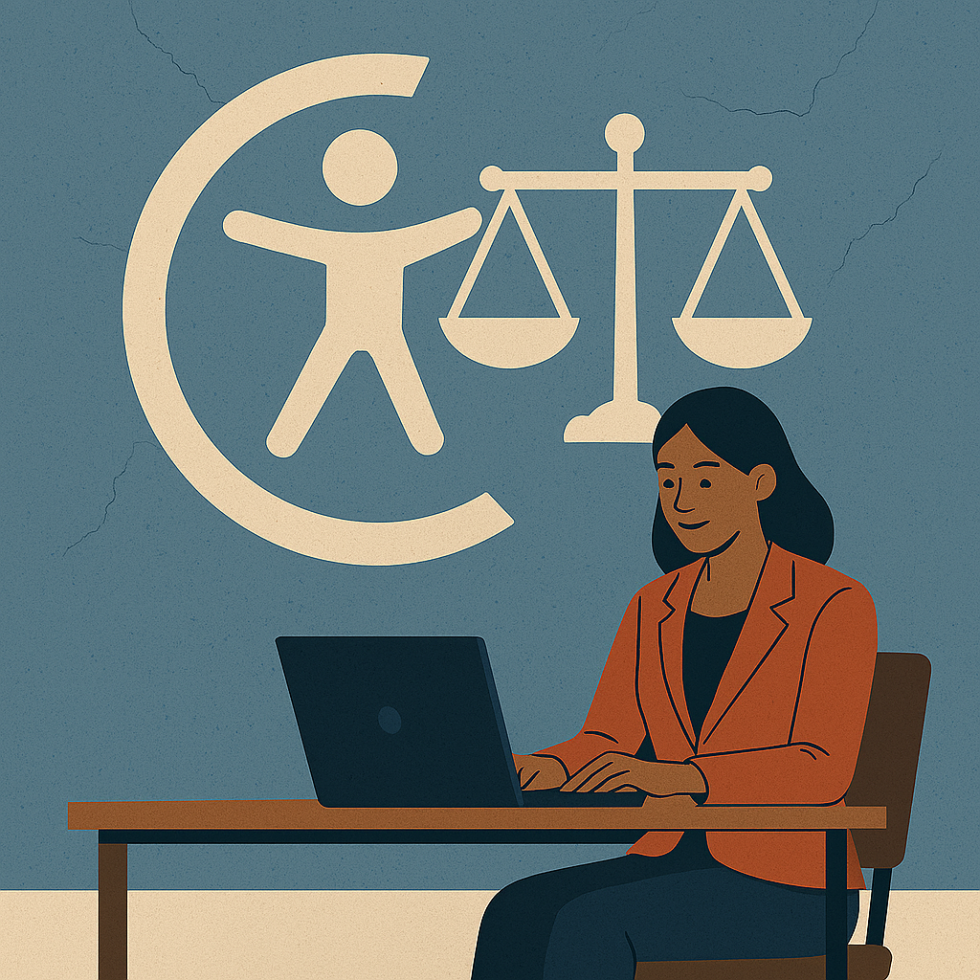
Organizations embark on digital accessibility for different reasons. We can think of these reasons as models. The Compliance Model of Organizational Access, which we’re going to discuss here, is one model. There are two others:
Other Organizational Models of Digital Access
- Altruistic Organizational Model of Digital Access: This model considers accessibility to be a part of the organization’s ethics or social responsibility. It focuses heavily on the usability of digital assets and ensuring inclusivity. Accessibility doesn’t sustain under this model when business priorities like timing and revenue override what is perceived as a nice-to-have.
- ROI Organizational Model of Digital Access: Considers the return on investment that including people with disabilities brings. Accessibility doesn’t sustain under this model when leadership lacks confidence in the data, or there is a lack of data, demonstrating the return.
This discussion of the Compliance Model is a companion to the A Unified Organizational Model of Digital Access blog; however, it is also intended to stand alone. Let’s dive in.
Legal Action
Organizations are often first introduced to digital accessibility due to a demand letter, lawsuit, or the desire to mitigate the risk associated with compliance with a regulation like Title III and Title II of the Americans with Disabilities Act (ADA) or, more recently in Europe, the European Accessibility Act (EAA) or any of the other global standards. It could even be due to a settlement.
Good News
The good news is that with proper direction from a good accessibility consultant, the initial effort needed to bring the company’s digital assets into conformance is relatively clear. This usually means meeting WCAG 2.2 Level AA as closely as possible and possibly considering other guidelines. Often, some level of automated monitoring to track progress and flag any decreases in accessibility, which represents an increase in risk, is put in place. Monitoring also provides third-party objective evidence of ongoing accessibility. Evidential documentation, such as an Accessibility Conformance Report (ACR) in the Voluntary Product Accessibility Template (VPAT) format, or an Accessibility Statement, may also be created. All this initially reduces risk and increases defensibility.
So, with the Legal/Compliance Model of Organizational Access, we often see many achievements:
- Initial conformance to regulations and guidelines
- Ongoing monitoring.
- Initial risk mitigation
- Initial increase in defensibility
- Evidential Documentation
A Temporary Focus
However, with this model, organizations often view accessibility as a “necessary evil” that was forced on them. They view it as a drain on the business – an expense with no direct return other than avoiding fines or expensive lawsuits. Moreover, it is likely that they temporarily shifted resources from other priorities to the accessibility priority.
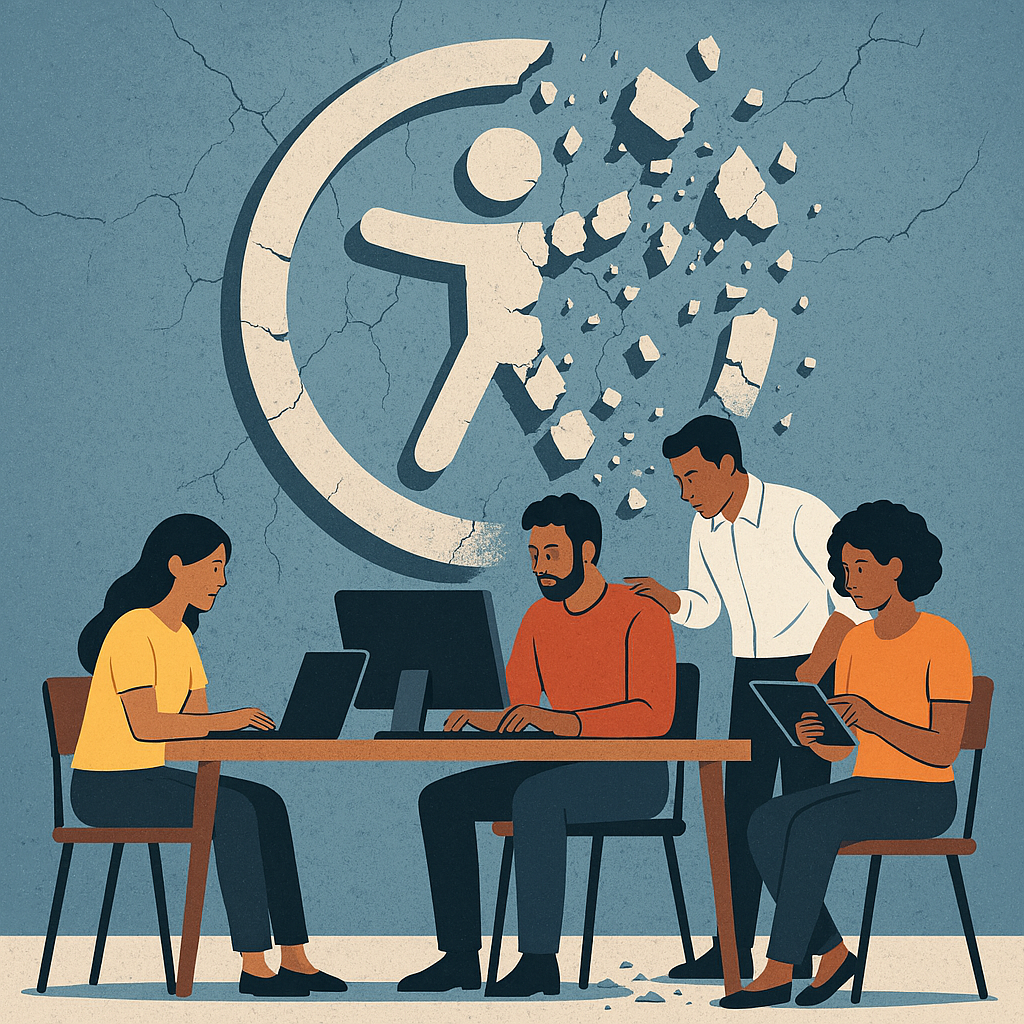
This means that when initial results are achieved and the initial situation is handled, resources are often shifted back to the original priorities. Resources continue to move within the organization or are lost altogether through attrition. The accessibility effort fades into company history. It is often discovered months later that no one has even looked at the monitoring that was put in place, checked any of the new features for accessibility, or increased the knowledge of the developers. Therefore, the time and monetary investment in accessibility is lost, as well as the progress. This cycle repeats the next time there is a scare.
Why it Fails
With the Legal/Compliance Model of Organizational Access, we often see that it doesn’t sustain due to:
- The initial motivator is handled, and the urgency is gone
- No perceived value beyond avoiding fines and lawsuits
- Scarce resources shifting back to other priorities
- Progress and investment are both lost.
It is only by understanding the other positive impact accessibility has on the business that this cycle is broken.

Mark SMiller is a digital accessibility consultant who helps organizations build accessible, inclusive digital experiences. He speaks regularly at industry conferences,, CSUN, CVENt and apperes on many webinars and podace. , He trains teams on practical, sustainable accessibility workflows.
Comments