
A federal court held that state disability discrimination claims over an airline website and mobile app were preempted by federal law and dismissed the case.
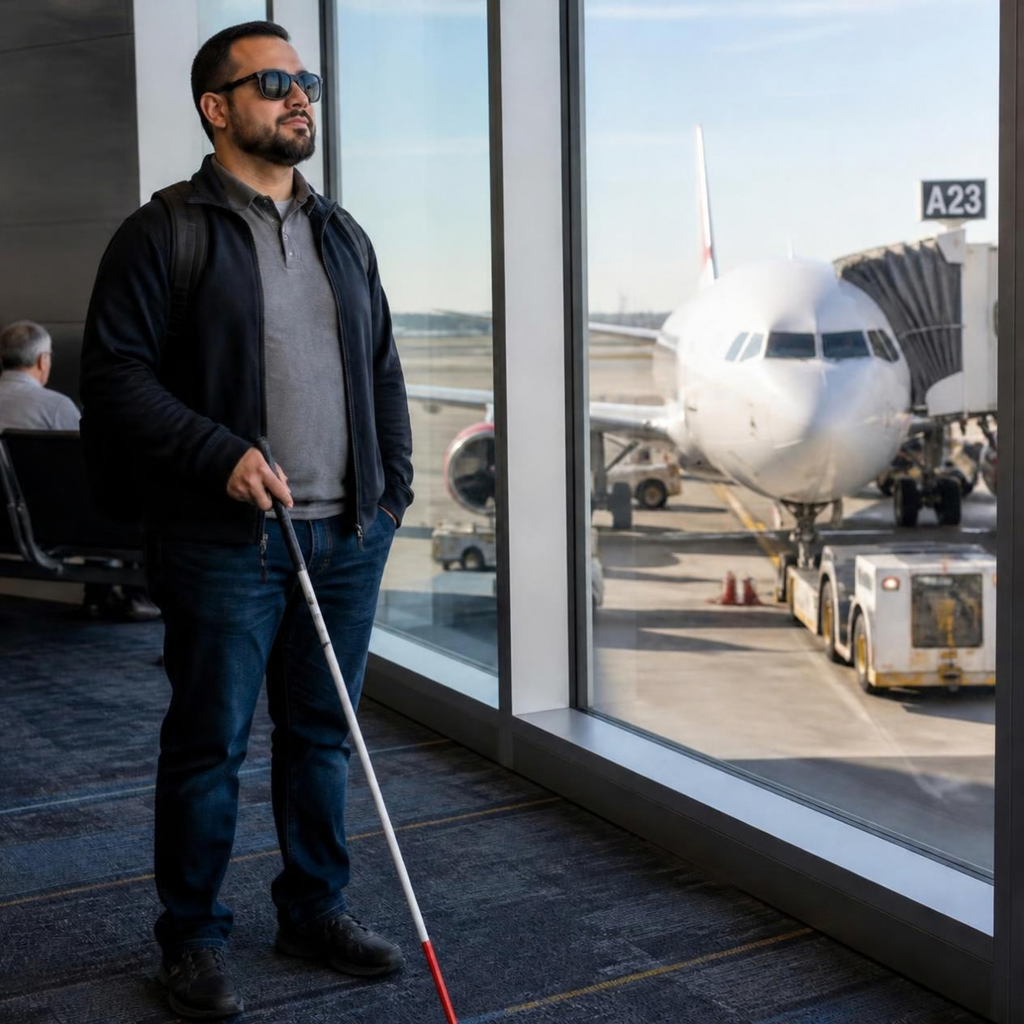
Mancina v. Delta Airlines, Inc., was a case before the U.S. District Court for the Eastern District of Michigan in which the plaintiff, Daniel Mancina, who is blind and uses screen readers like VoiceOver to perceive content and perform actions on websites and mobile applications, claimed that the inaccessibility of the Delta website and mobile app prevented him from independently booking his travel.
The court found that the Air Carrier Access Act field-preempted state duties about airline website and app accessibility, although state remedies may still exist for violations of federal duties. In August of 2019, the Air Carrier Access Act was amended to include websites, requiring that they meet the Web Content Accessibility Guidelines (WCAG).
The mobile app claim was separately deficient because the Air Carrier Access Act does not impose a specific mobile app accessibility requirement like it does for airline websites.
The court also held that both state-law claims were completely preempted by the Airline Deregulation Act and did not address whether the website and app were public accommodations under Michigan law.
The decision noted that passengers can still pursue federal complaints through the U. S. Department of Transportation for possible accessibility violations.

Mobile accessibility tells half the story
September 8, 2026
I audited five public design systems. The one built for mobile, Material 3, hands designers accessibility as first-class properties. The web still treats the same

Mark SMiller is a digital accessibility consultant who helps organizations build accessible, inclusive digital experiences. He speaks regularly at industry conferences,, CSUN, CVENt and apperes on many webinars and podace. , He trains teams on practical, sustainable accessibility workflows.
Comments